
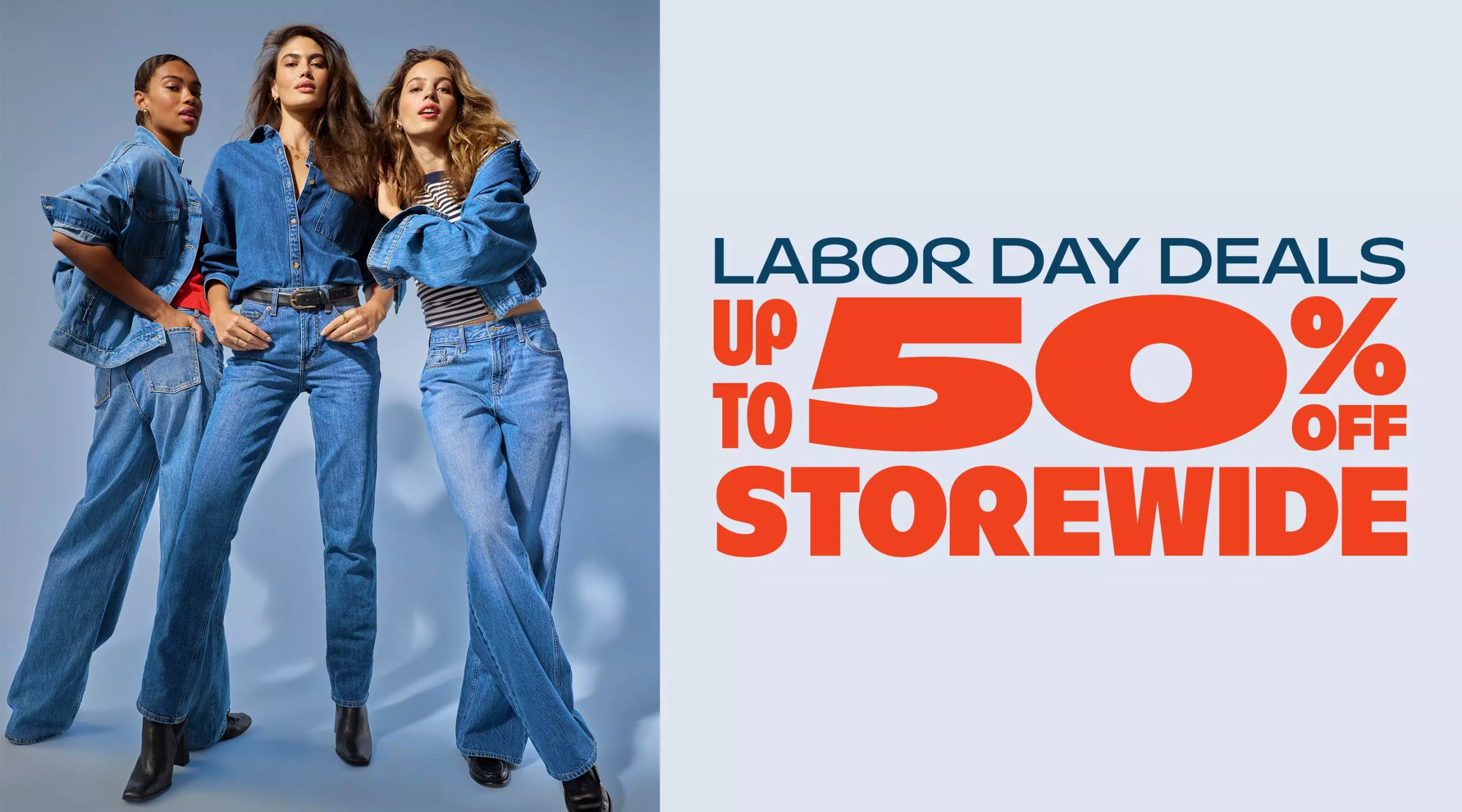
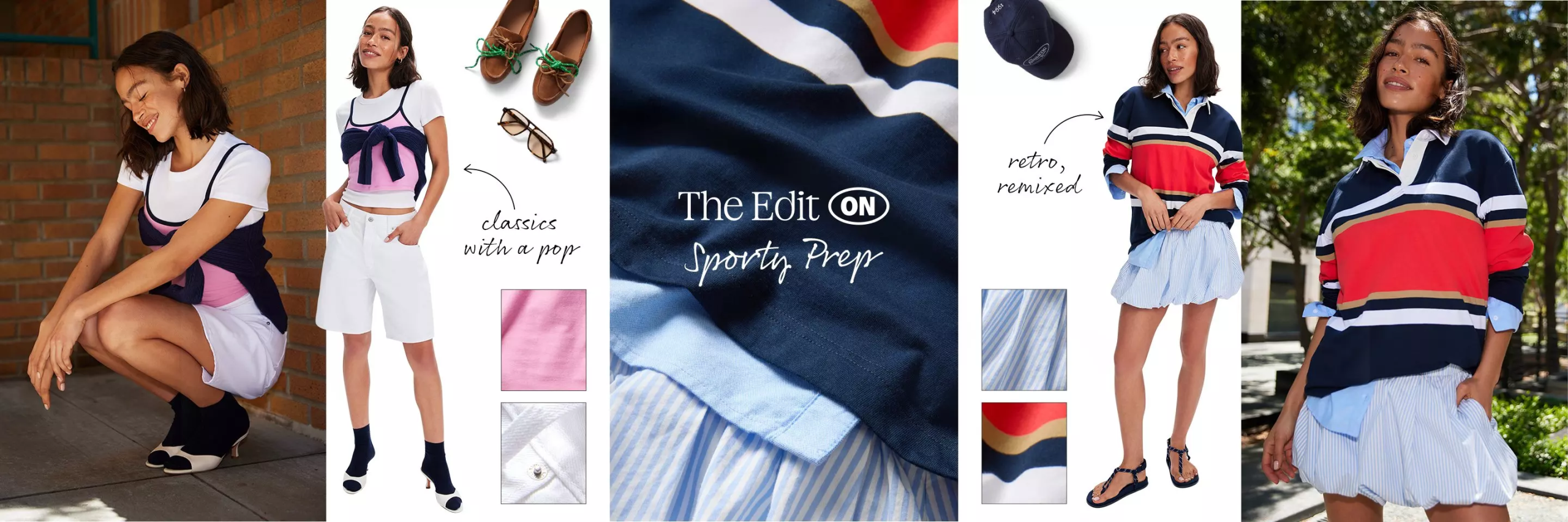
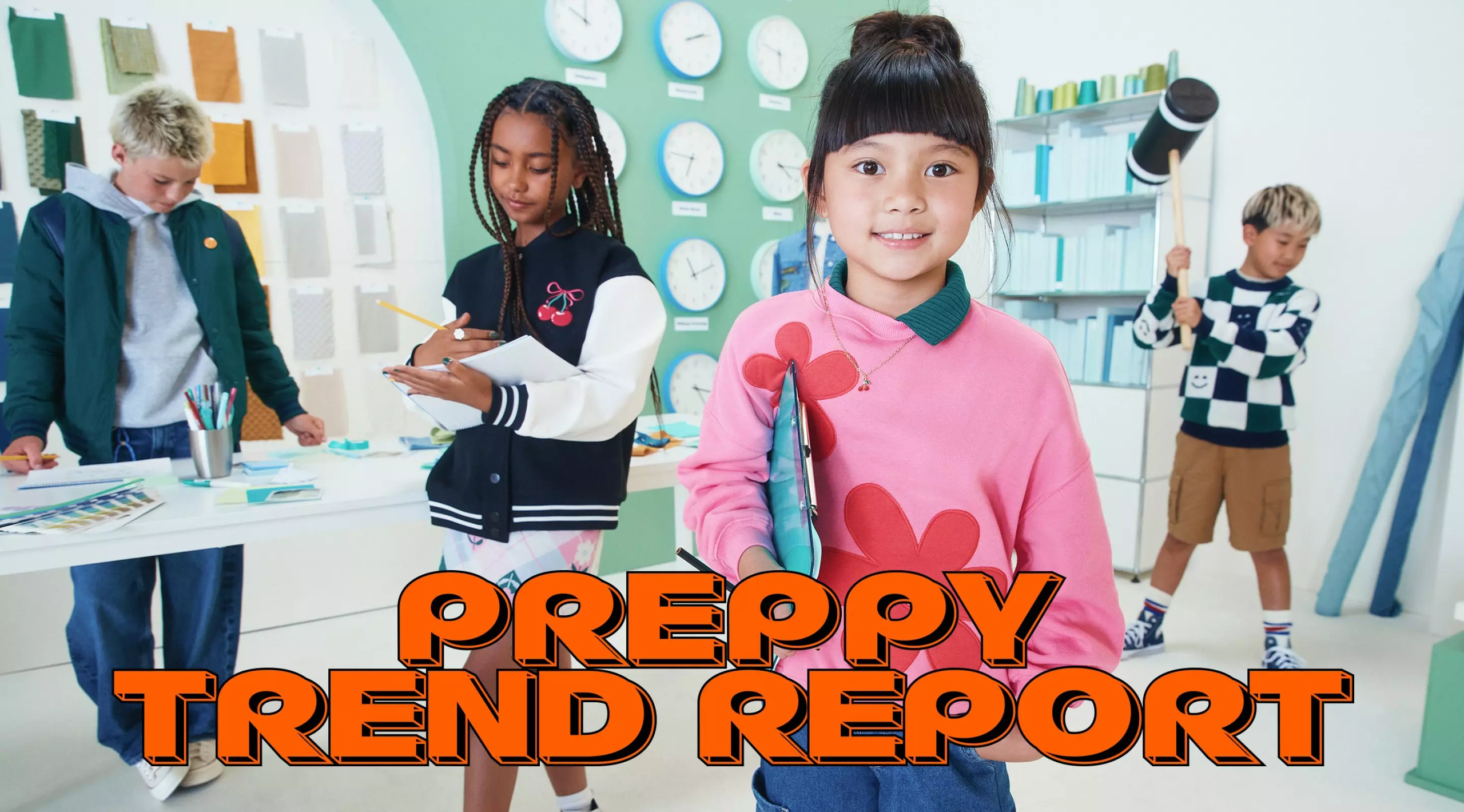
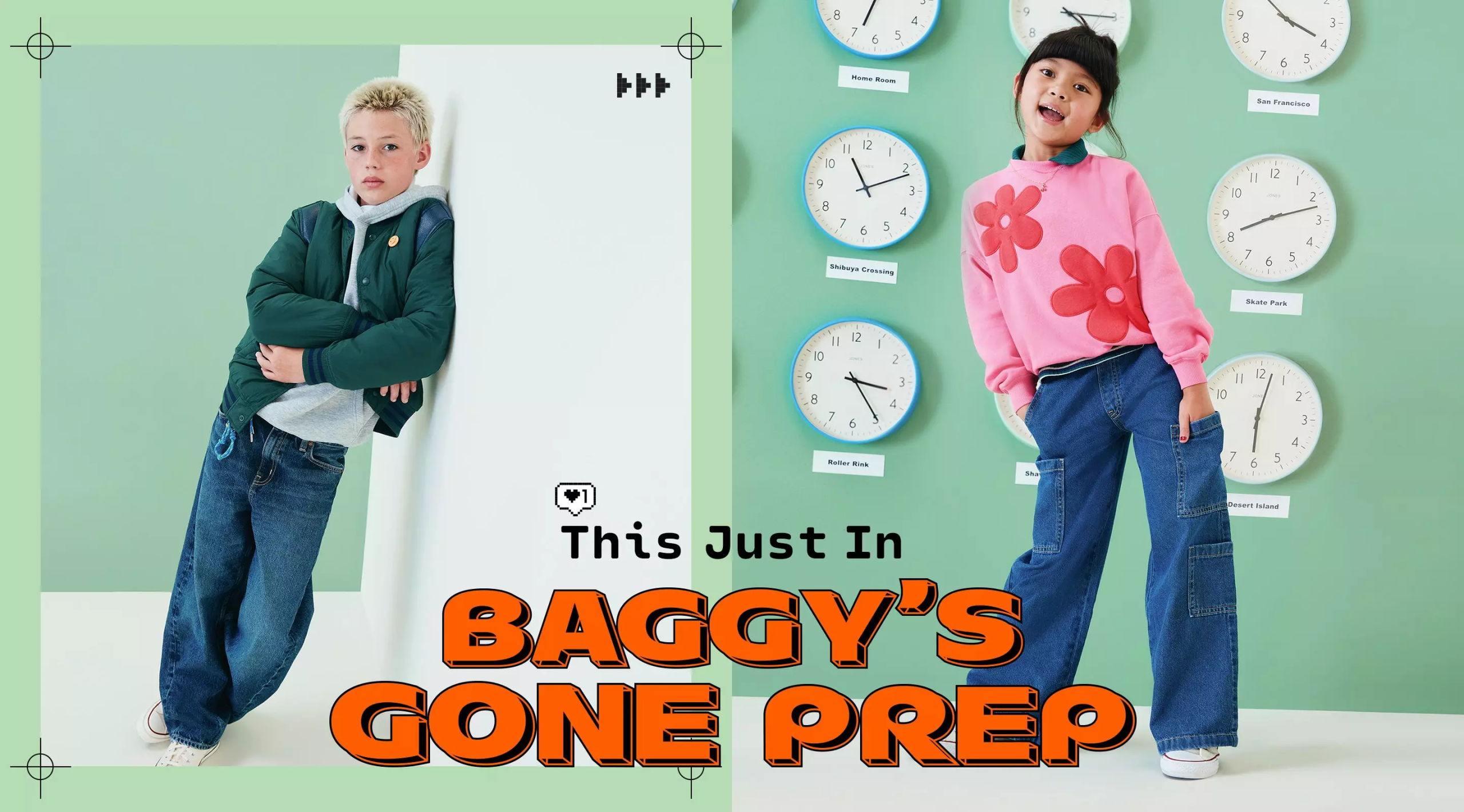
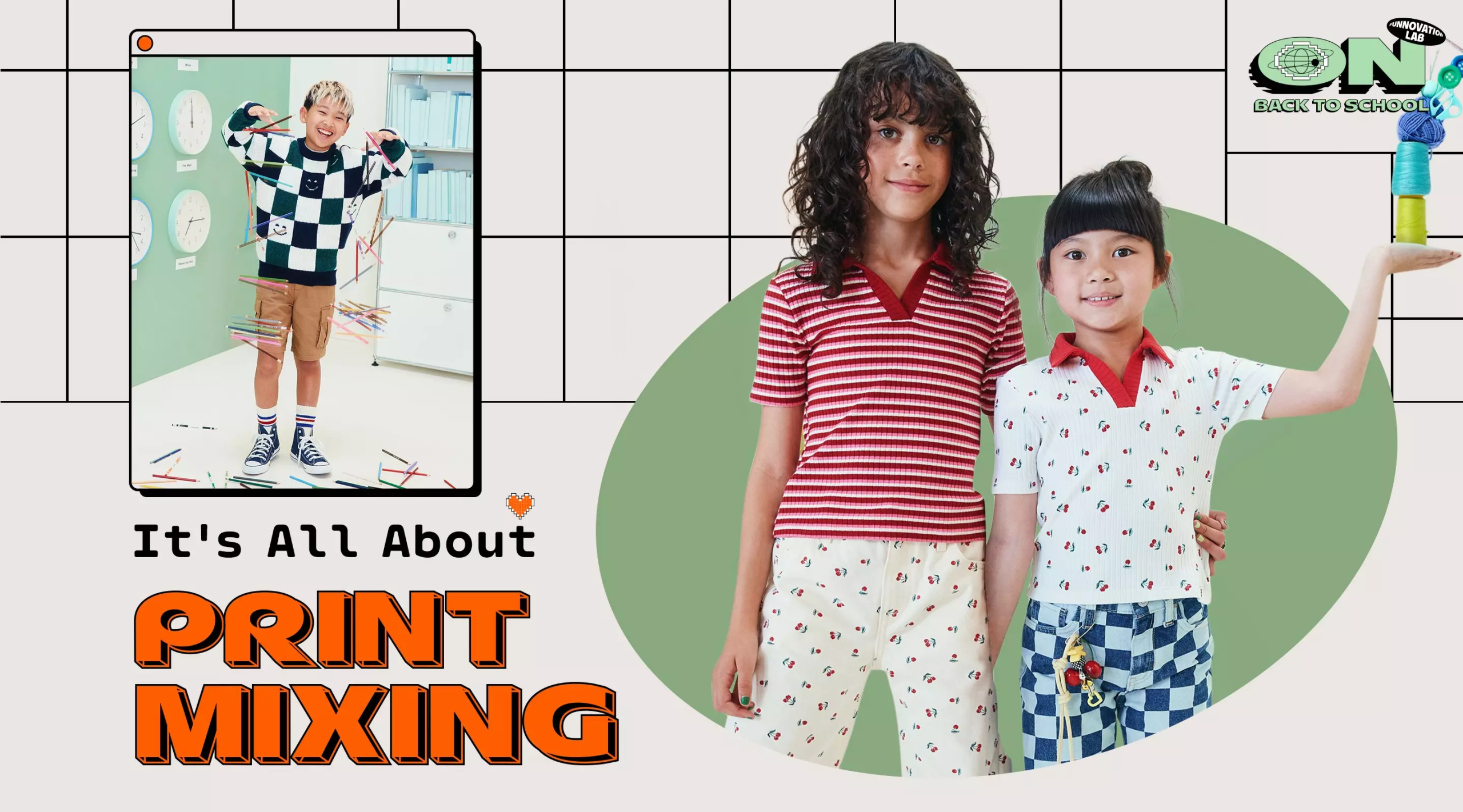
Prep school without gym class. Sporty without the cardio. Here’s how to wear it.
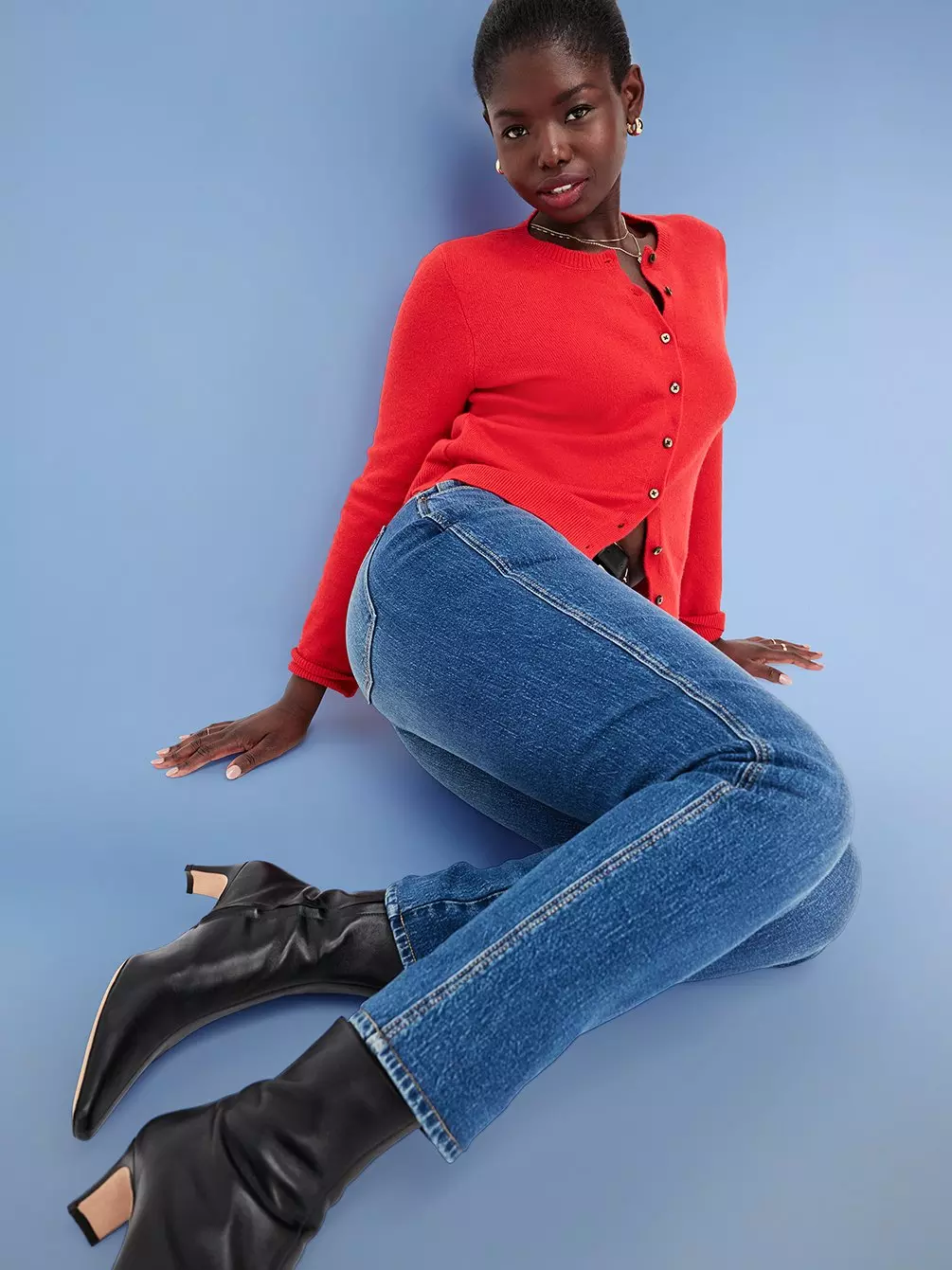
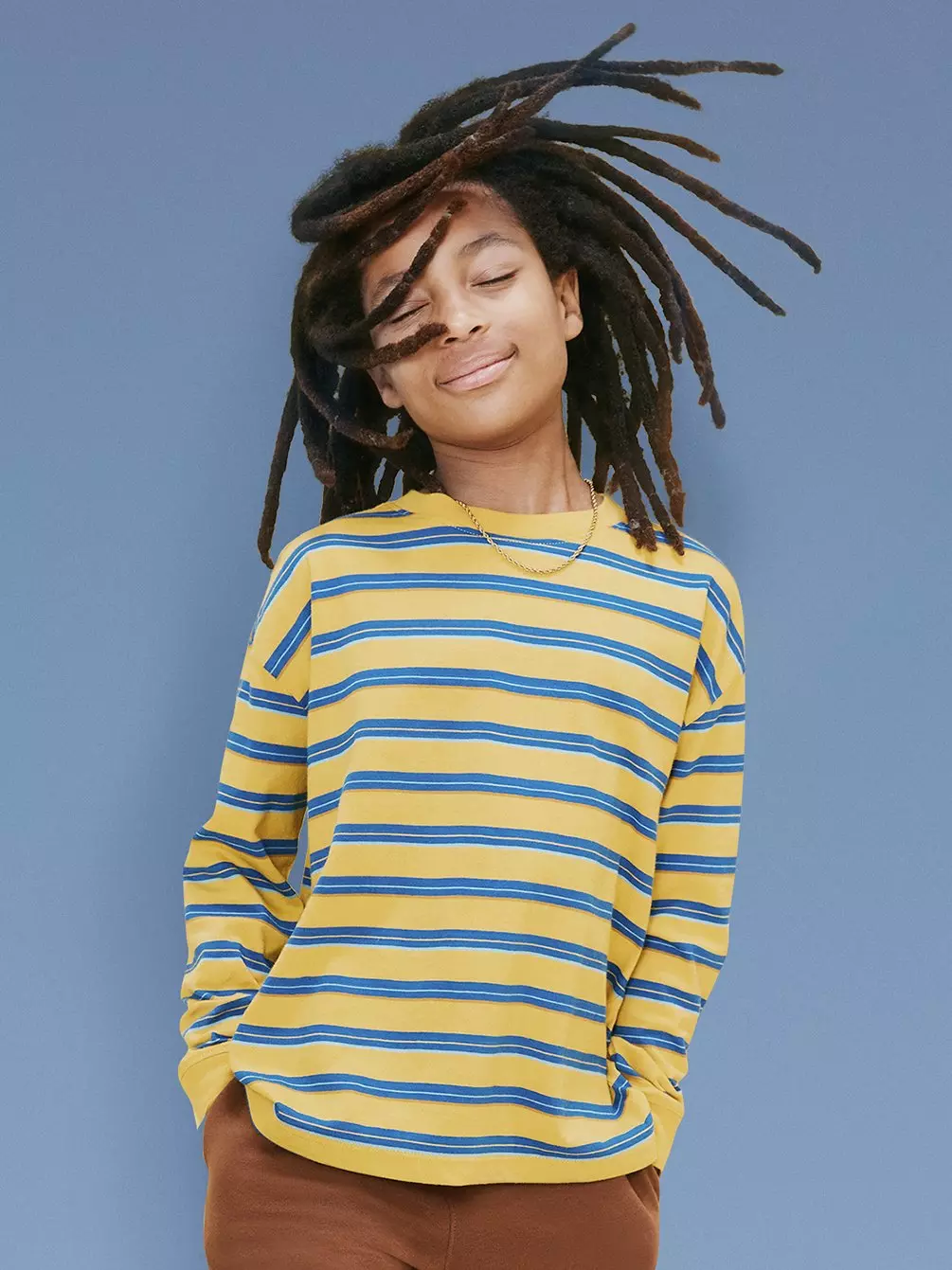
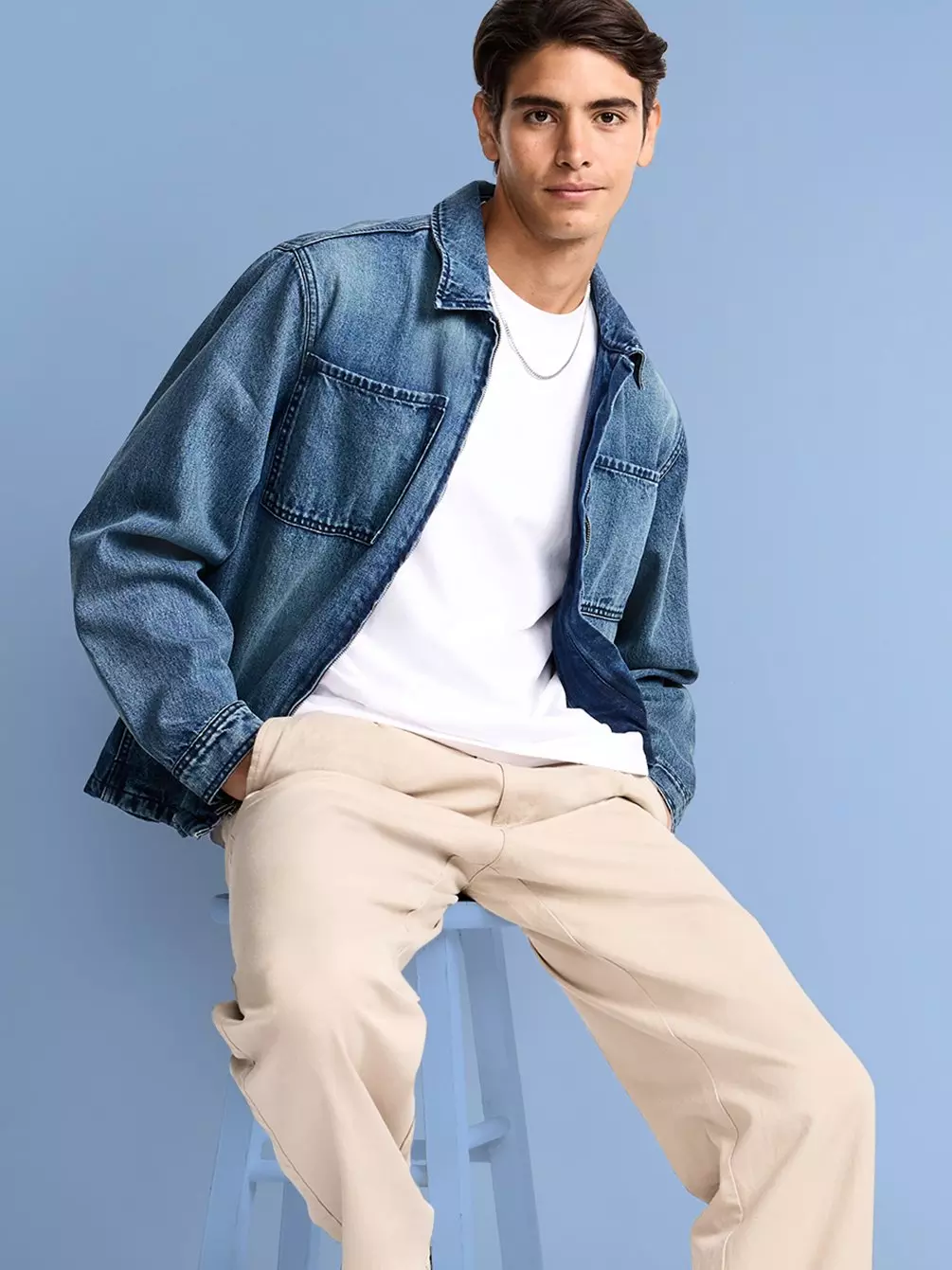

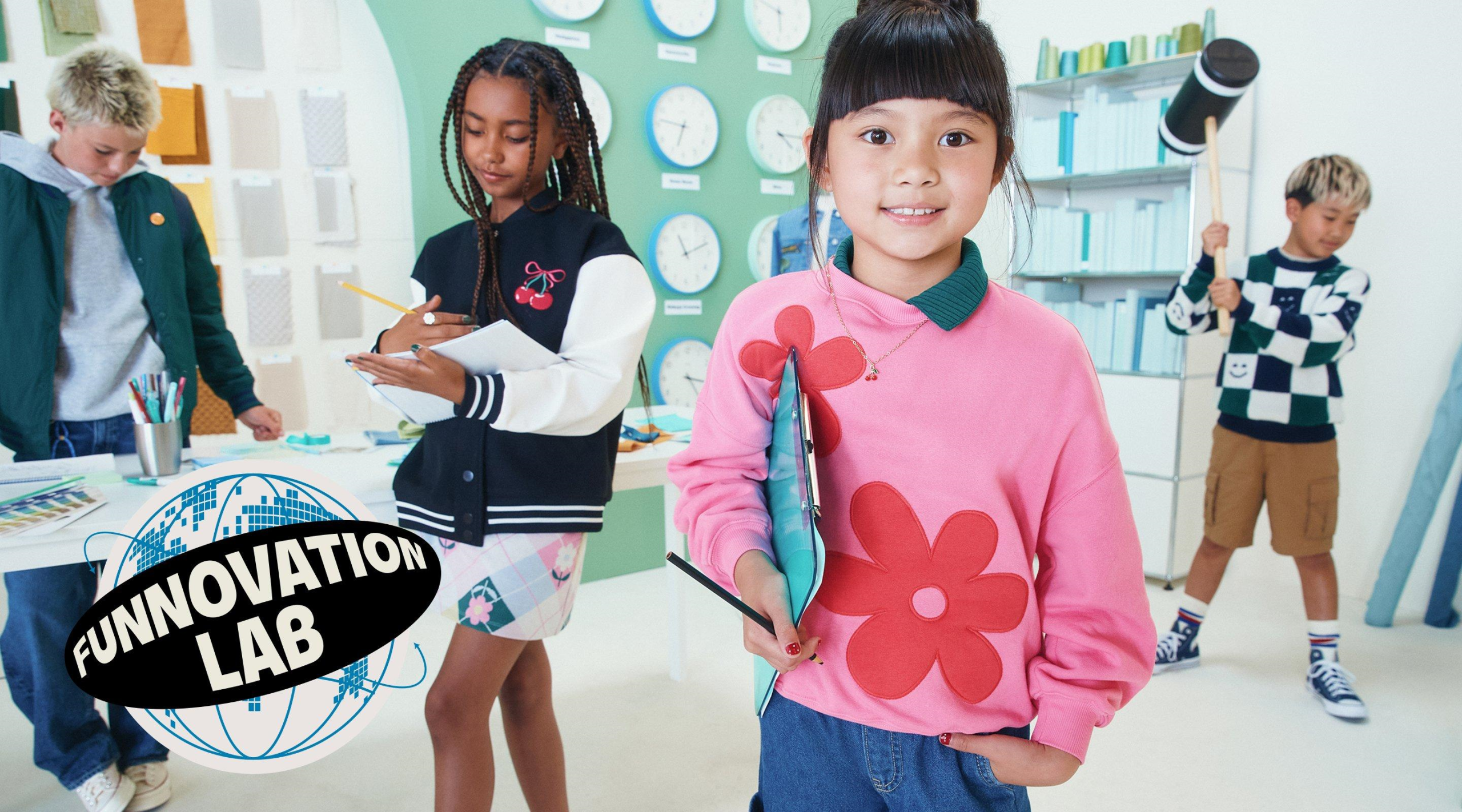
Enter the Funnovation Lab, where kids are putting our
back-to-school looks to the test.



We picked these just for you…
Sale!
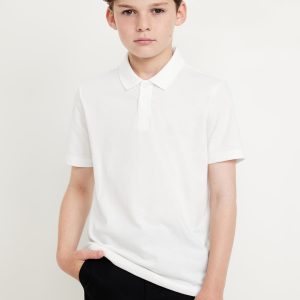
Now Trending!-Best Sellers-Shop All
Original price was: $5.99.$3.00Current price is: $3.00.
Sale!
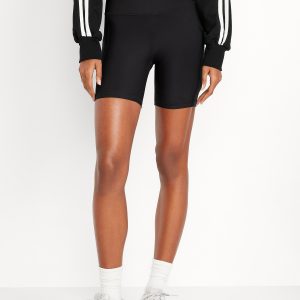
Original price was: $16.19.$8.10Current price is: $8.10.
Sale!
Now Trending!-Shop By Occasion-Vacation Shop
Original price was: $17.99.$9.00Current price is: $9.00.
Sale!

Now Trending!
Original price was: $11.99.$6.00Current price is: $6.00.
Sale!
NOWTRENDING
Original price was: $13.79.$6.89Current price is: $6.89.
Sale!
Back To School
Original price was: $5.99.$3.00Current price is: $3.00.
Sale!
Original price was: $5.99.$3.00Current price is: $3.00.
Sale!
NOWTRENDING
Original price was: $5.99.$3.00Current price is: $3.00.
Sale!
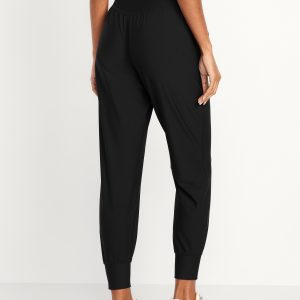
ACTIVEWEAR FROM
Original price was: $23.99.$11.99Current price is: $11.99.
Sale!
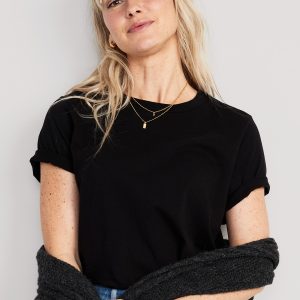

NOWTRENDING
Original price was: $7.79.$3.90Current price is: $3.90.
Sale!
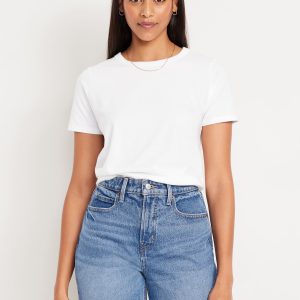

NOWTRENDING
Original price was: $7.79.$3.90Current price is: $3.90.
Sale!

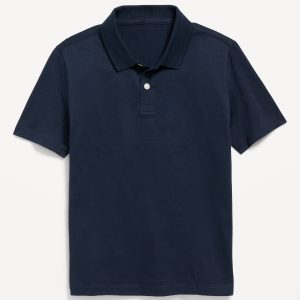
Now Trending!-Back To School-School Uniforms
Original price was: $5.99.$3.00Current price is: $3.00.
CHECK OUT OUR NEWEST ARRIVALS!
Sale!
LOOKS YOU'LL LOVE
Original price was: $5.99.$3.00Current price is: $3.00.
Sale!
LOOKS YOU'LL LOVE
Original price was: $26.99.$13.50Current price is: $13.50.
Sale!
LOOKS YOU'LL LOVE
Original price was: $23.99.$11.99Current price is: $11.99.
Sale!
LOOKS YOU'LL LOVE
Original price was: $7.79.$3.90Current price is: $3.90.
Sale!
LOOKS YOU'LL LOVE
Original price was: $7.79.$3.90Current price is: $3.90.
Sale!
LOOKS YOU'LL LOVE
Original price was: $13.79.$6.89Current price is: $6.89.
Check out our newest arrivals!
Sale!
Original price was: $7.79.$3.90Current price is: $3.90.
Sale!
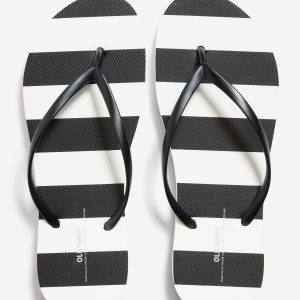
Original price was: $3.59.$1.79Current price is: $1.79.
Sale!
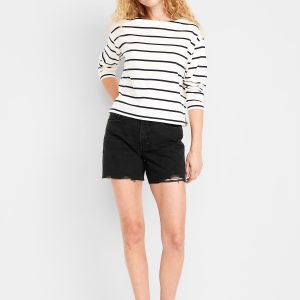
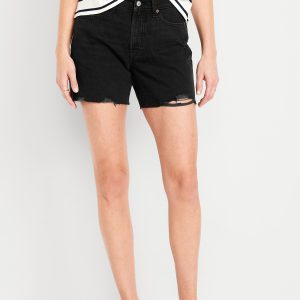
Original price was: $23.99.$11.99Current price is: $11.99.
Sale!
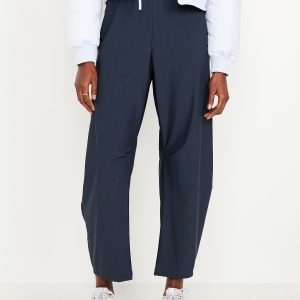
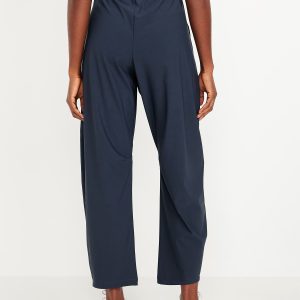
Original price was: $23.99.$11.99Current price is: $11.99.
Sale!
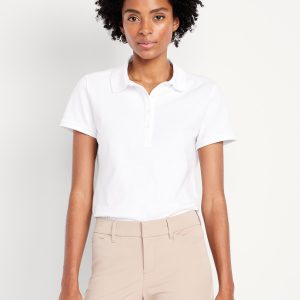
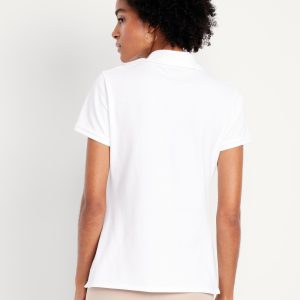
Women
Original price was: $11.99.$6.00Current price is: $6.00.
Sale!
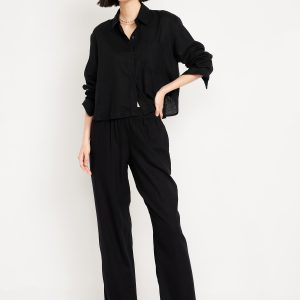
Original price was: $23.99.$11.99Current price is: $11.99.
Sale!
Original price was: $20.99.$10.50Current price is: $10.50.
Sale!
Original price was: $4.19.$2.10Current price is: $2.10.
Sale!
Original price was: $17.99.$9.00Current price is: $9.00.
Sale!
Women
Original price was: $14.99.$7.50Current price is: $7.50.
Sale!
Original price was: $23.99.$11.99Current price is: $11.99.
Sale!
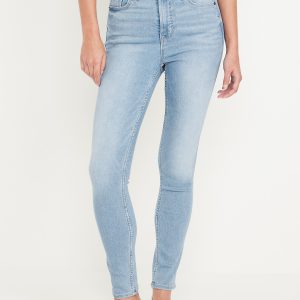
Original price was: $22.49.$11.25Current price is: $11.25.
Sale!
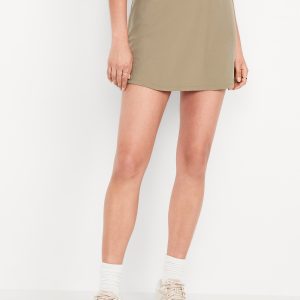
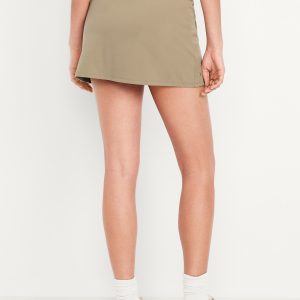
Original price was: $22.19.$11.10Current price is: $11.10.
Sale!
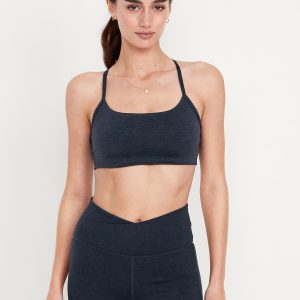
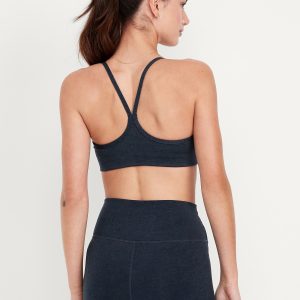
Original price was: $14.99.$7.50Current price is: $7.50.
Sale!
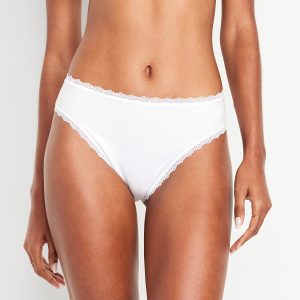
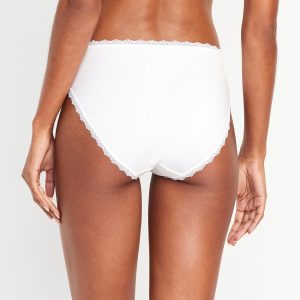
Original price was: $4.19.$2.10Current price is: $2.10.
Sale!
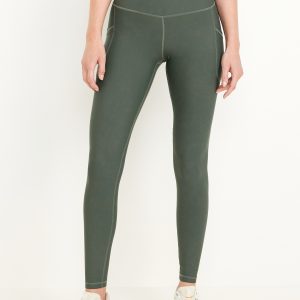
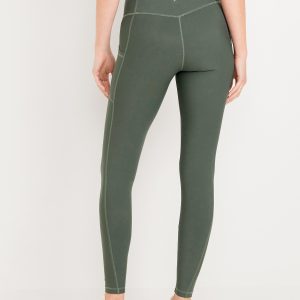
Original price was: $23.99.$11.99Current price is: $11.99.
Classic Recommendation.
The Intertwined World of Women’s and Children’s Fashion: A Deep Dive into Design and Consumer Trends
The apparel industry is a constantly evolving landscape, driven by seasonal shifts, technological advancements, and, most importantly, consumer desires. Within this massive market, two segments consistently capture significant attention and investment: women’s wear and children’s wear. While seemingly disparate, these two categories are deeply intertwined, influencing each other in style, purchasing decisions, and market strategies. Understanding the dynamics of this connection is key to appreciating the broader narrative of modern clothing design.
Women’s fashion, often viewed as the primary trendsetter, is characterized by its diversity, rapid trend cycles, and strong emotional connection with the consumer. It serves as a platform for self-expression, professional identity, and adherence to cultural and social norms. Current trends emphasize versatility and comfort, moving beyond restrictive tailoring to embrace more fluid silhouettes, durable, and conscious material choices. The demand for clothing that effortlessly transitions from a remote workspace to a casual outing has spurred innovation in fabric technology and functional design. Furthermore, the modern consumer is increasingly prioritizing ethical sourcing and production transparency, making sustainability a foundational element of contemporary design philosophy rather than a niche feature. This shift reflects a maturing market where value is measured not just by aesthetics, but by the entire lifecycle of the garment.
In parallel, children’s wear has transformed from a purely functional necessity into a market that balances practicality with personality. The core principles of children’s clothing remain safety, durability, and ease of maintenance. However, there is a growing demand for designs that mirror or draw inspiration from adult aesthetics—a phenomenon often termed “mini-me” styling. This is where the intersection with women’s wear becomes most pronounced. Parents, frequently the primary purchasers of children’s clothing, are influenced by their own stylistic preferences. If a trend like bold florals or minimalist neutrals is popular in the women’s market, it often trickles down into children’s collections, albeit adapted for age-appropriate wearability. The difference lies in the execution: while adult clothing focuses on form, children’s clothing must prioritize unrestricted movement and hypoallergenic materials. This dual requirement means that designers must be innovative in their material science, ensuring maximum comfort without sacrificing a contemporary look.
The consumer behavior in both segments is also increasingly unified by the digital marketplace. Online shopping has empowered consumers with greater access to diverse options and information, leading to more considered purchases. For the woman shopping for herself, detailed product information regarding fit, fabric composition, and care instructions is crucial. When she shops for a child, the focus shifts to certified safety standards and robust construction that can withstand rigorous play and frequent washing. The shared element is the search for quality and longevity. Consumers are moving away from purely disposable fashion and investing in pieces—for both themselves and their children—that offer better value over time.
Moreover, the increasing prominence of shared marketing narratives is blurring the lines between these categories. Campaigns often feature mothers and children together, showcasing the aesthetic cohesion of the collections. This approach appeals to the emotional connection in family life, suggesting that dressing well is a shared experience. It allows brands to leverage the aspirational qualities of women’s fashion to elevate the perceived value of children’s clothing. This strategic synergy helps build a consistent brand identity across both markets.
In conclusion, the evolution of women’s and children’s apparel is a fascinating study in consumer psychology and design innovation. Women’s wear dictates the overarching stylistic direction, fueled by a quest for self-expression and conscious consumption. Children’s wear translates these trends into a practical, safe, and durable format, while still maintaining its own distinct focus on fun and functionality. The future of this intertwined market lies in continued innovation in sustainable materials, greater transparency in sourcing, and design that acknowledges the interconnected lifestyles of the modern family. By catering to the demands for both aesthetic appeal and profound practicality, the apparel industry for women and children will continue to evolve and thrive.